
Pain and Solidarity
The DispossessedShevek’s changing understanding of suffering moves from philosophical reflection toward practical care and political solidarity.
increasing Bearing strength in each event
 decreasing
Bearing strength in each eventdecreasingA Debate About Suffering
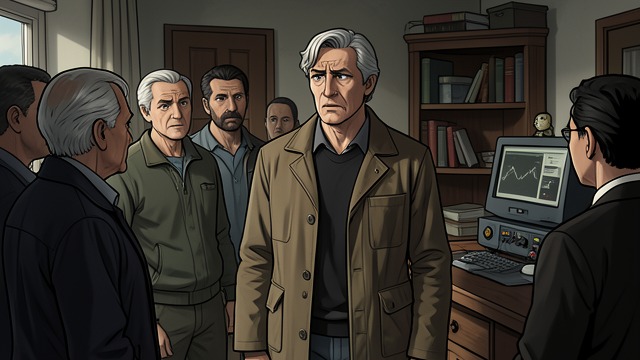
Pain Beyond Comfort
A difficult claim
Shevek argues that suffering is part of existence and cannot be abolished by social arrangements. A society can relieve avoidable hardship, but it cannot make mortality disappear.
A question of relation
His friends debate whether pain destroys or creates solidarity. The argument prepares Shevek to distinguish compassion from the illusion that one person can fully save another.
The Burned Worker

Staying with the Dying
No cure available
Shevek remains beside a worker badly burned in an accident. There is no doctor or anesthetic, and presence cannot remove the man’s pain.
Limits of rescue
Shevek concludes that people cannot save one another in the absolute sense. Yet he does not conclude that staying is meaningless; shared pain becomes the beginning of brotherhood.
Hunger on the Train
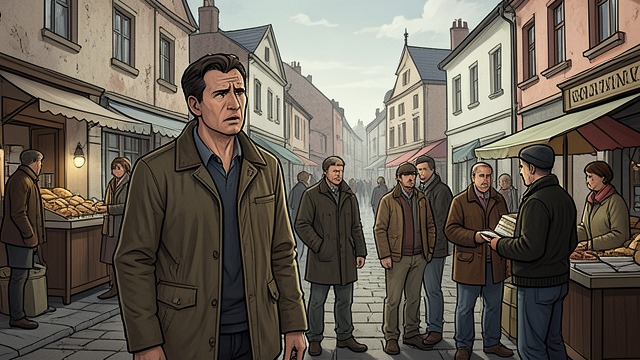
Scarcity Tests Mutual Aid
A town refuses food
A delayed train brings hundreds of hungry travelers to a small town with too little food for both groups. The residents give nothing, fearing their own community may be left without provisions.
The moral uncertainty of need
Shevek sees that scarcity can turn sharing into an impossible calculation of who should starve. When the travelers finally eat, relief and companionship temporarily restore their trust.
The Wounded Demonstrator
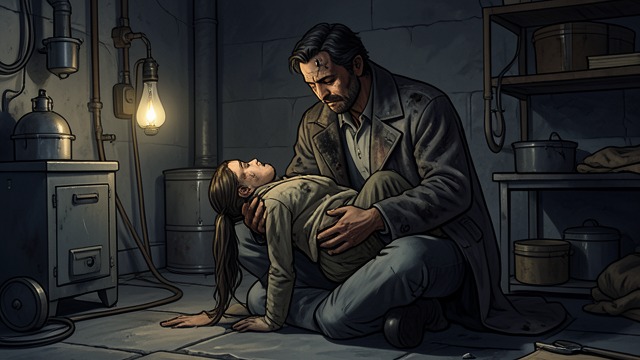
Care Without Power
Practical solidarity
Shevek shelters and tends a wounded demonstrator in a locked cellar. He can offer warmth, water, and attention, but not the medical care the man needs.
Loss without indifference
The demonstrator dies, repeating the painful lesson that care cannot always rescue. Shevek’s response remains meaningful because he refuses to abandon the wounded man.
A Speech from Shared Pain
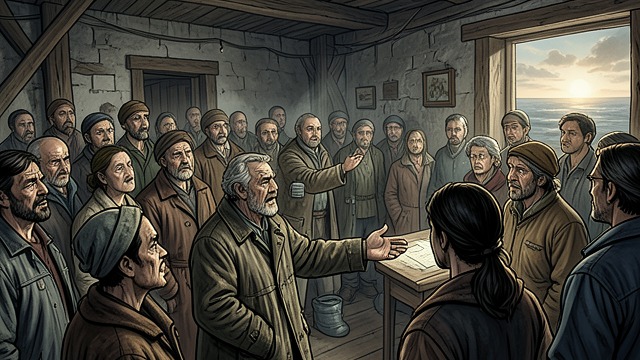
The Bond Named Publicly
A message of mutual dependence
Shevek tells the crowd that the bond between people is not guaranteed by love or law, but learned through hunger, poverty, and shared risk. Freedom means giving what one is rather than owning what one has.
Solidarity becomes dangerous
His words resonate because the crowd’s conditions have taught them the same lesson. The state’s violence immediately tests whether the crowd can preserve that bond under attack.
At the party before Shevek leaves Northsetting
During Shevek’s early work in Southeast
During Shevek’s return journey from Southrising
During the days after the Urrasti massacre
At the Nio Esseia general strike demonstration
